

Est. 2020
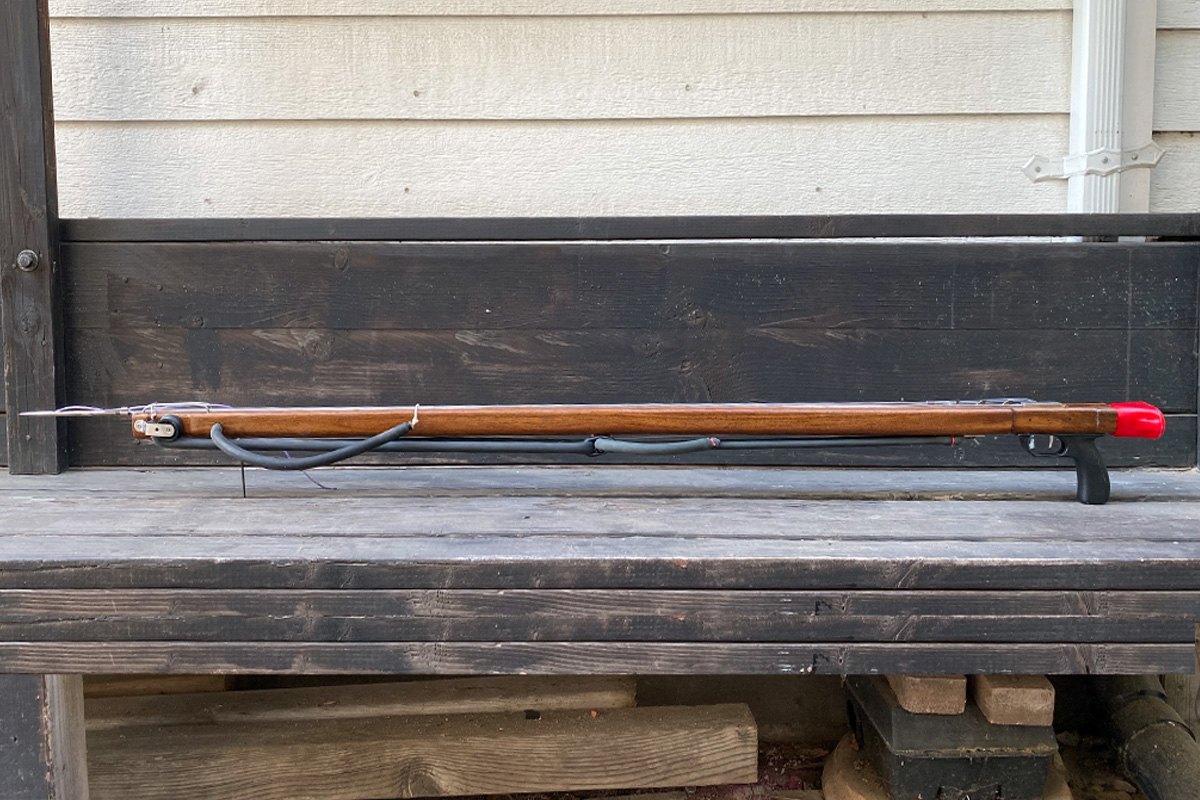
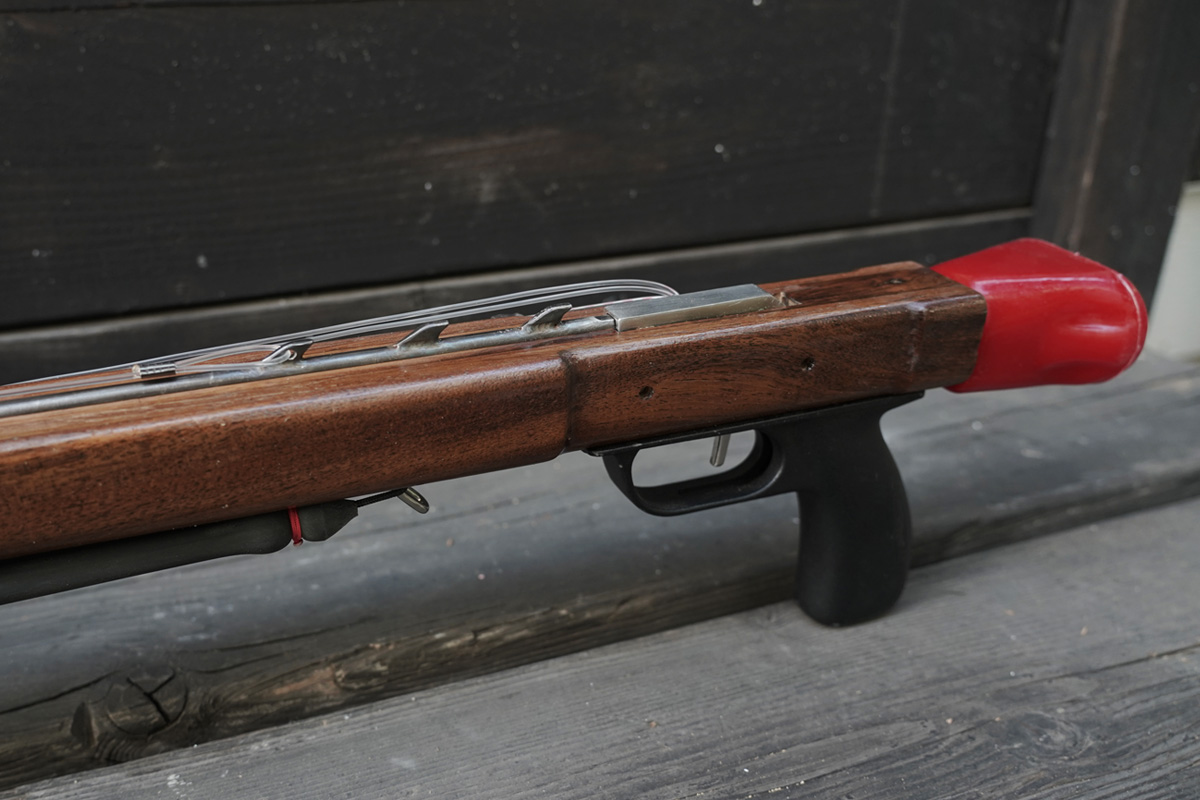
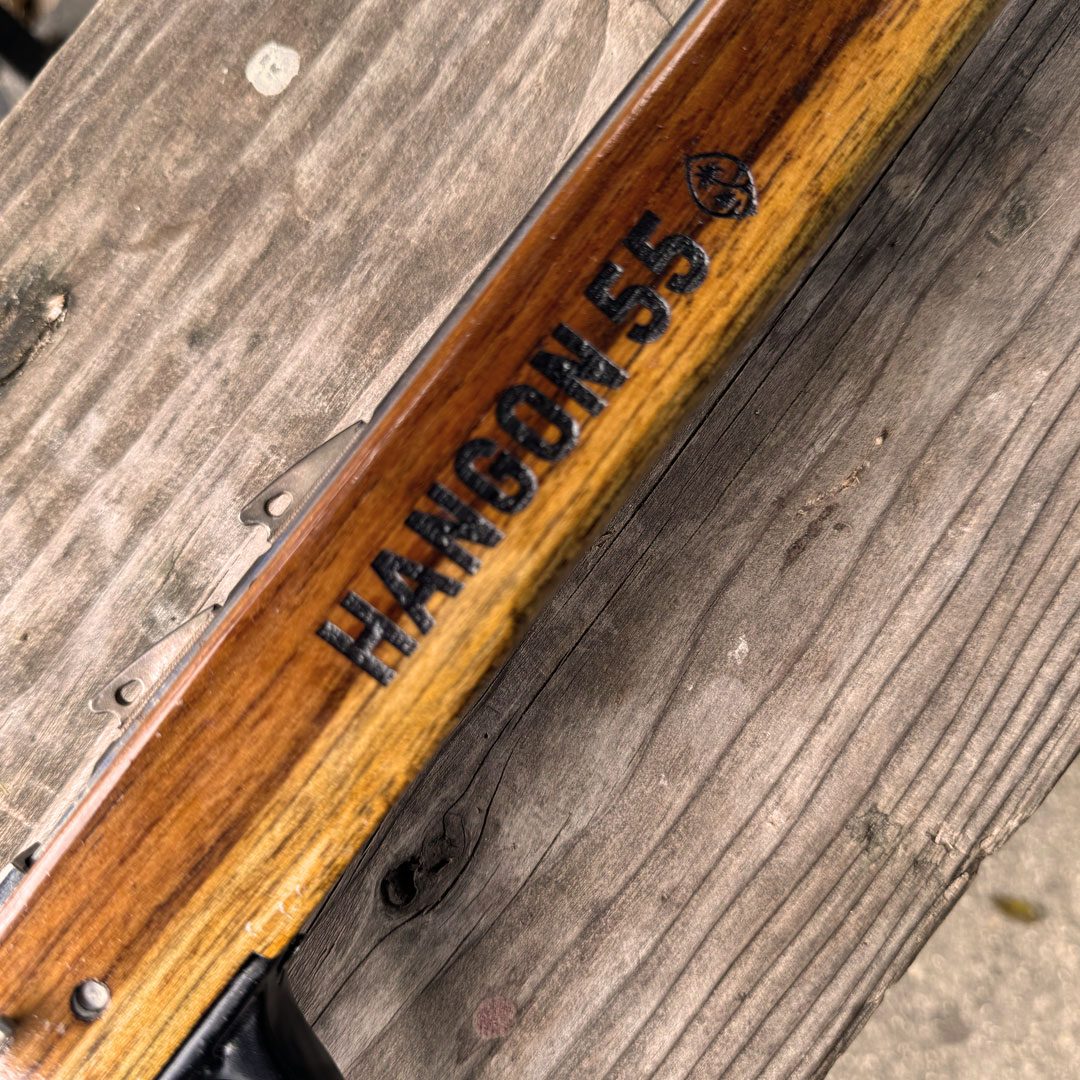
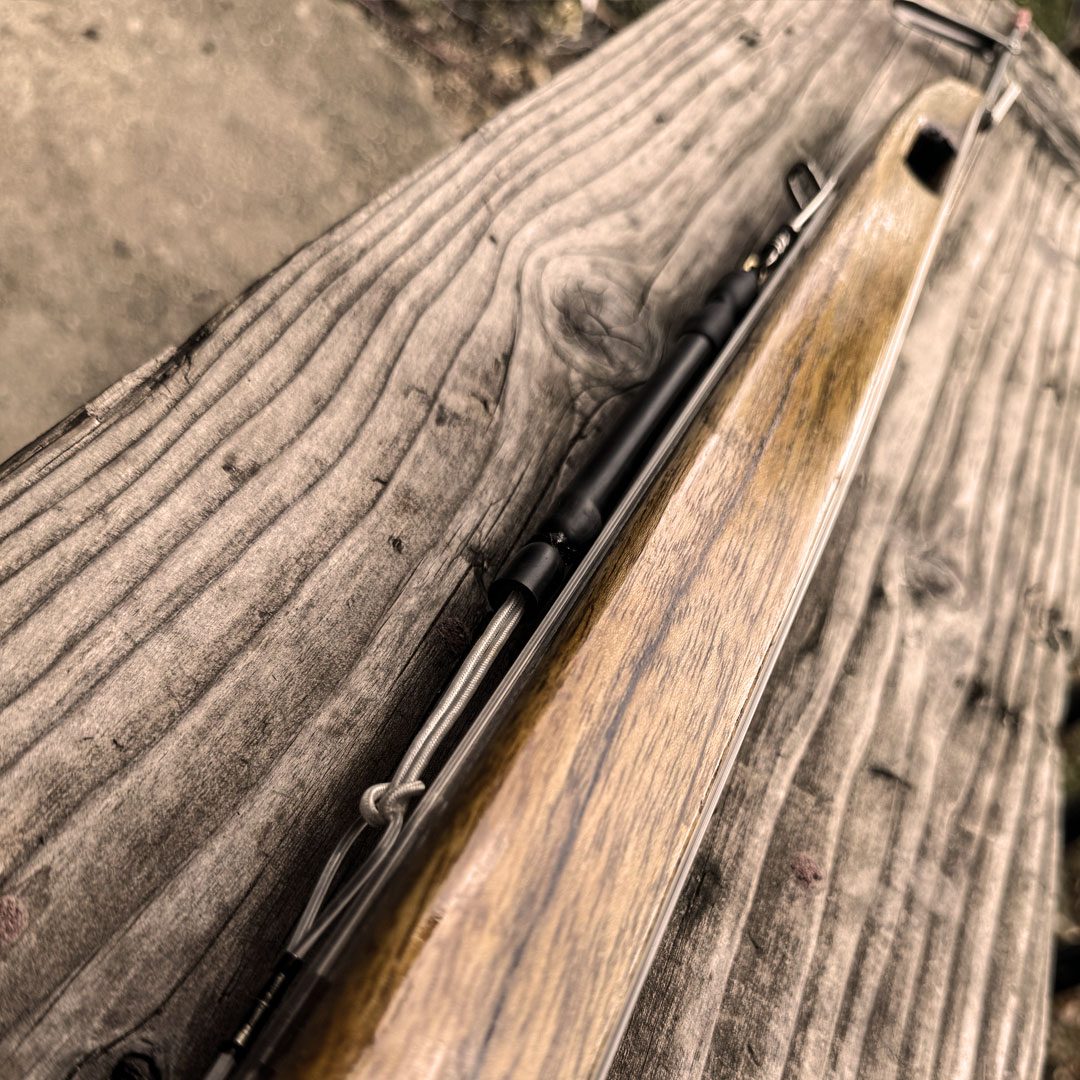
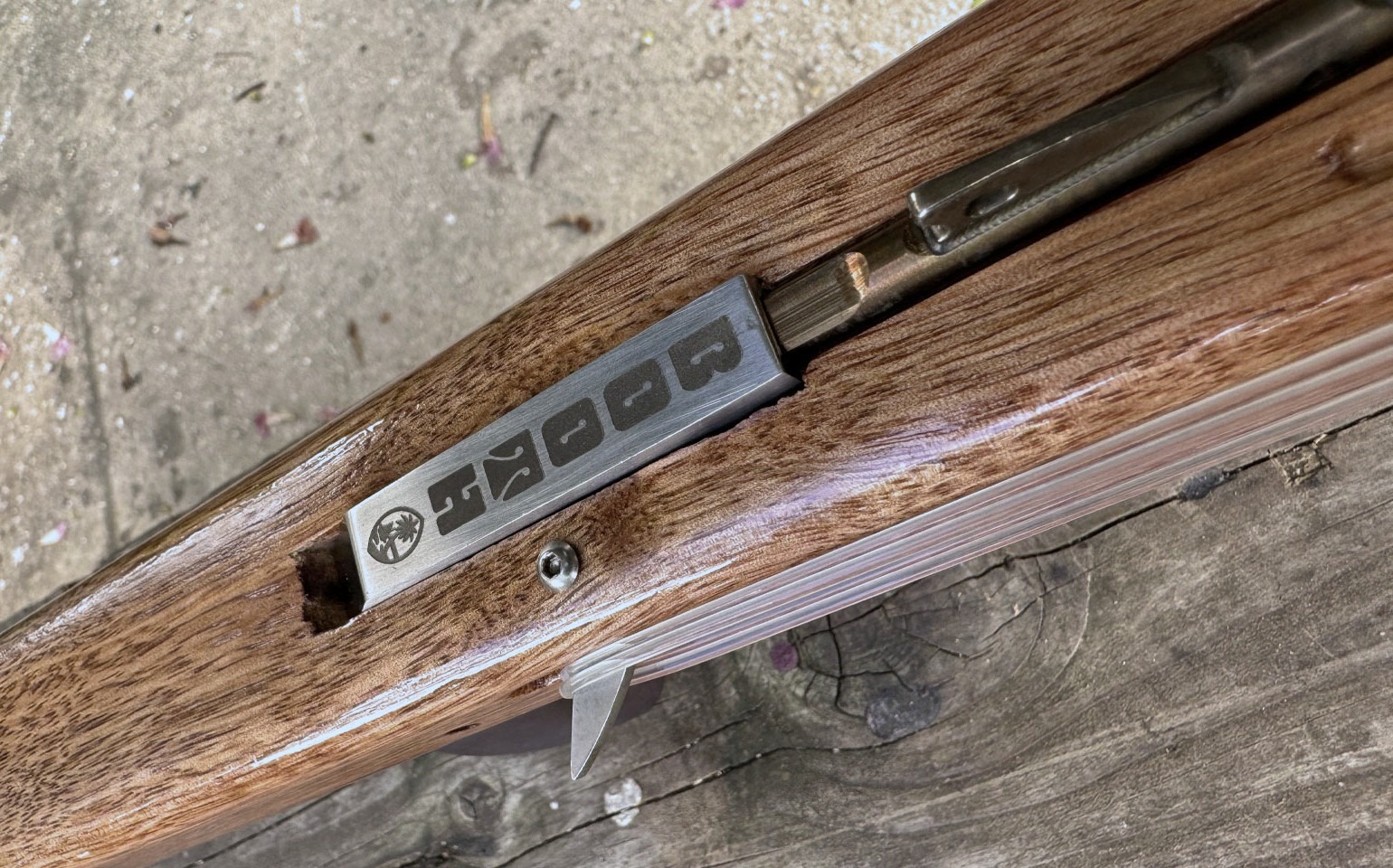
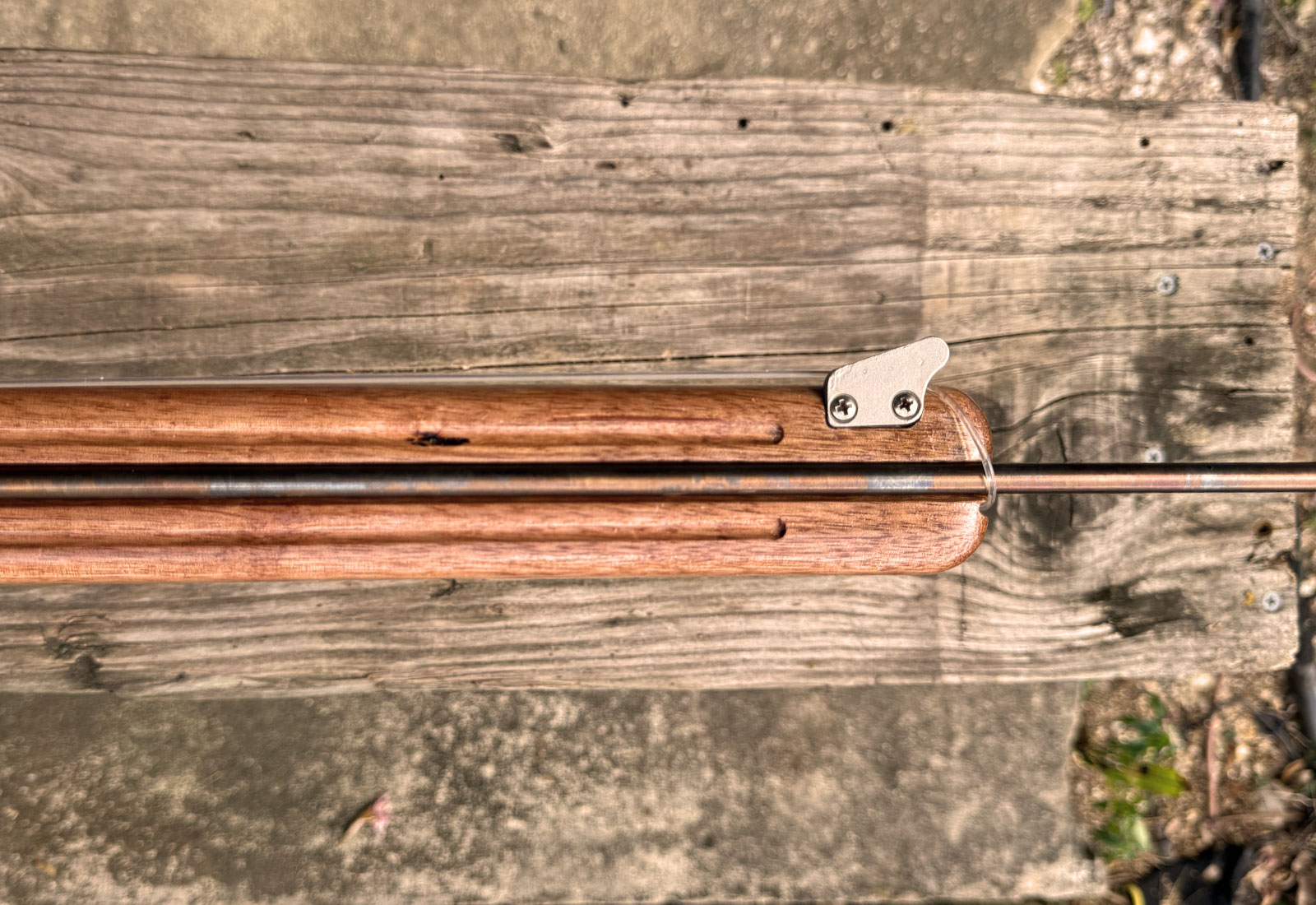
Mid-handle spearguns shaped from two singular materials: Burmese teak — a limited, dwindling supply — and old-growth mahogany salvaged from colonial-era homes across Guam. What's built is what's available.
Booth Spearguns was born out of sheer necessity. As a diver in the water every single day, I watched gear break under the island's harsh conditions. I didn't need just another speargun; I needed a tool built for absolute abuse and lifetime durability—one that factory lines simply couldn't produce. So, I started crafting them myself. Today, Booth isn't a factory or a commercial workshop. It's just one builder, by hand, shaping every single gun from a raw wood blank to a finished piece.
The material is everything. Burmese teak — dense, slow-grown, amber — is sourced in limited quantity and will not be replenished. Old-growth mahogany is salvaged from colonial-era homes across Guam before demolition takes them. Both woods carry history. Both are finite.
Each gun is built to a single specification: the best version of a mid-handle speargun that can be made by hand in Guam with these materials and this trigger. What changes is the wood. The rest is proven.

Across thousands of years of shipbuilding, the ultimate test of craftsmanship was surviving the absolute brutality of the ocean. Ancient shipwrights discovered one undisputed king of the sea — and it's exactly why we build with it today.
Guam banned scuba spearfishing in March 2020 — one of the last Pacific jurisdictions to do so. Here's the legislative timeline and what the data shows on reef recovery since.
It has no taste, no smell, and survives cooking. What every spearfisher on this island needs to know before the catch hits the table.
Task-fixation, shallow water blackout, and the currents that make Guam's reef drop-offs the most dangerous part of any dive — with the data and protocols to back it up.
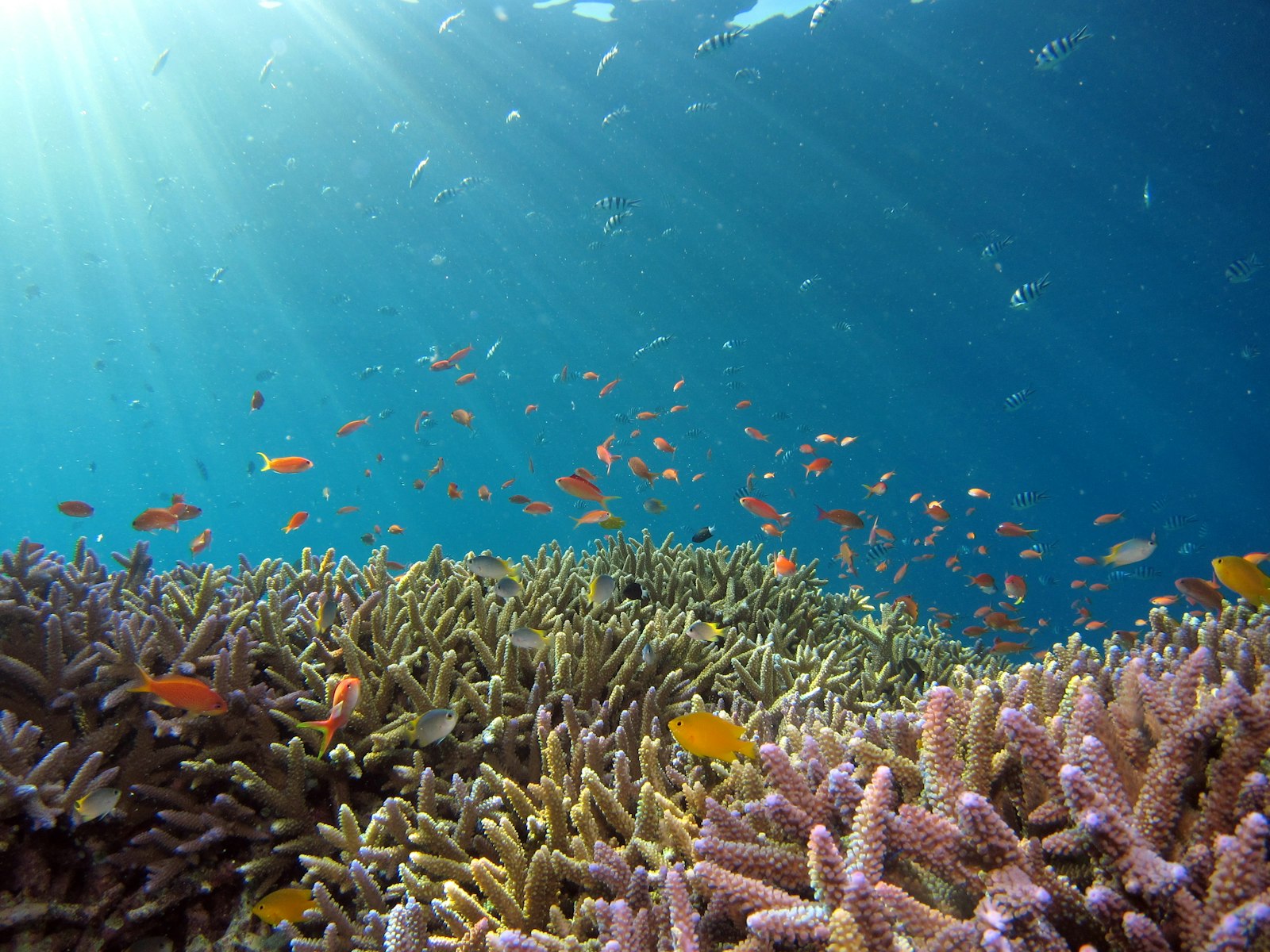
Why the reef flats dry out and the fish die during El Niño — dropping sea levels, warm-water oxygen collapse, the 2013–2017 mass coral die-off, and rising typhoon odds. With charts.
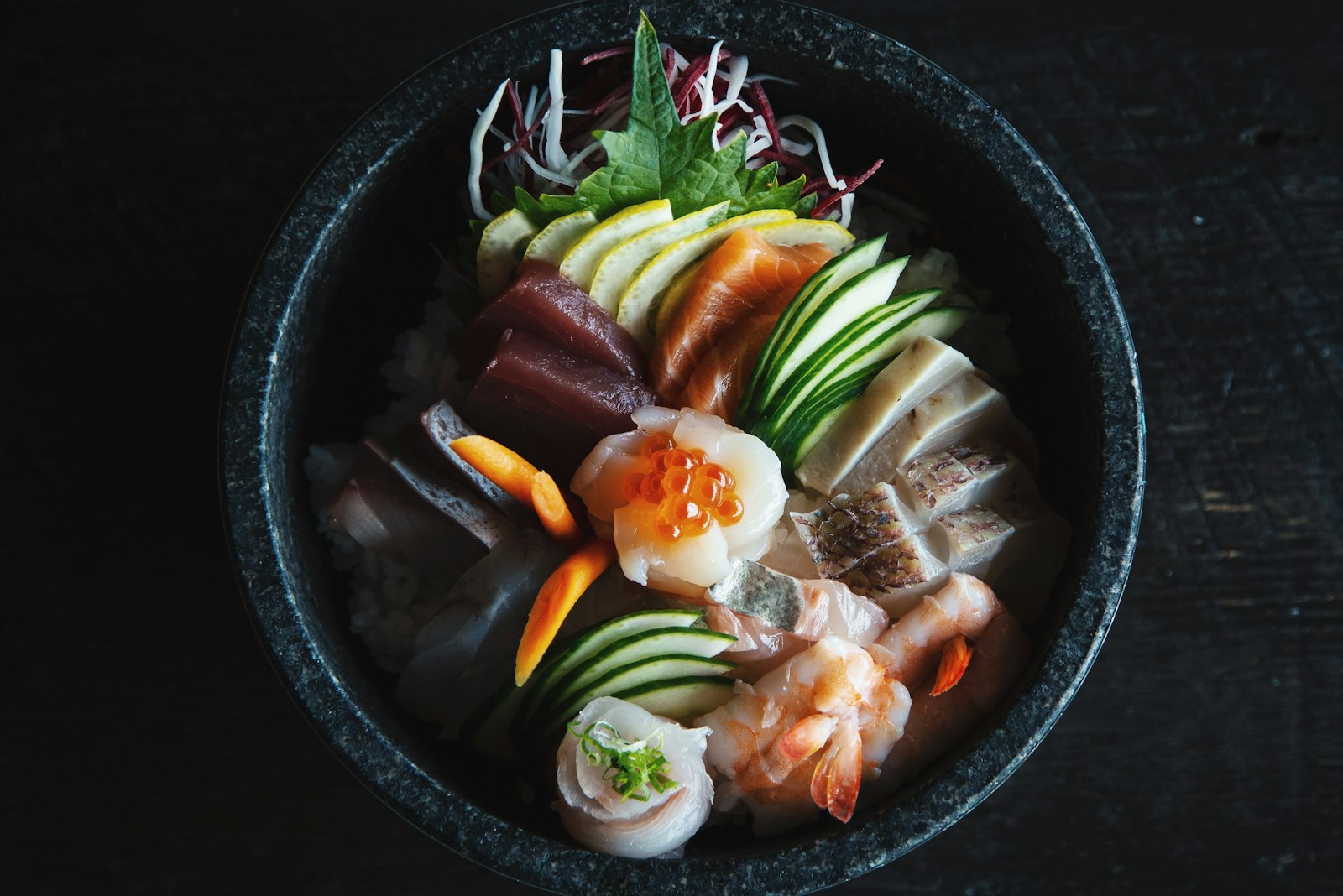
Crispy skin, seasoned deep into the score marks, served whole with a bowl of sharp Fina'denne'. Eat with your hands. Eat with rice.
Score the fish — 2 to 3 diagonal slashes through the skin on both sides — so it cooks evenly.
02Pat dry, then rub salt, pepper, and garlic powder over the outside, inside the cavity, and into the slashes.
03Fry in hot oil 5–6 min per side until the skin goes golden. Drain, serve whole with Fina'denne'.
An island staple that stretches a small catch a long way — mung beans, smoked reef fish, and a fish-sauce finish.
No stove required — lemon and salt do the cooking. Fresh reef fish, cured bright, sharpened with chili.
A coconut-milk kadu built around octopus from the reef, brightened with lemon and pumpkin tips.